
HII Logo
LVC Solutions
CapabilityMission TechnologiesInternationalSeaAirLandSpaceJoint All-Domain

LVC Solutions

Train Like You Fight: Any Mission. Any Domain. Any Battlespace.

One Partner. The Full Training Continuum.

From individual technical skills to joint and coalition mission rehearsal, HII connects people, platforms, networks, and synthetic environments into one training ecosystem. The result is realistic training, stronger interoperability, faster learning, and greater readiness for the missions that matter most.

58,000

training events supported annually for U.S. and coalition training through NCTE, the Department of War's largest LVC enterprise.

148

locations plus dozens of partner networks connected worldwide through NCTE.

2 of 4

U.S. Air Force Distributed Mission Operations (DMO) training programs led by HII as prime contractor.

60M+

lines of code delivered to the Navy Training Baseline (NTB) software suite.

Today’s Fight Is Connected. Training Should Be Too.

Today’s Fight Is Connected. Training Should Be Too.

Stand-alone simulators, classroom instruction, and aging tactical training systems can’t match the speed and complexity of modern operations. Disconnected networks keep services and partners from training together.

HII’s Live, Virtual, and Constructive (LVC) Solutions close that gap. We combine live systems, virtual simulations, constructive environments, and operational C5ISR capabilities into one environment spanning air, land, maritime, cyber, and space.

Our solutions scale with the mission and the learner: from the individual warfighter to a weapons system crew, tactical team, or coalition force, and from novice to expert across the cognitive, affective, and psychomotor domains of learning. The result is faster readiness, sharper decisions, and confidence before deployment.

Train as a Coalition. Fight as a Force.

Train as a Coalition. Fight as a Force.

Forces in Europe, Africa, the Indo-Pacific, and the continental United States can train together in a shared synthetic battlespace that blends live range activity, immersive virtual environments, and high-fidelity constructive simulation. Rehearsing as a unified force before they meet on the battlefield, builds muscle memory, aligns tactics, and validates decisions in advance to build the trust and proficiency coalition partners need.

Proven Across the Joint Force

From a single warfighter’s console to multi-echelon mission rehearsal, HII has been connecting joint and allied partners for decades.

U.S. Navy

  • Navy Continuous Training Environment (NCTE). As architect and operator of the Navy Enterprise Tactical Training Network (NETTN) and NCTE for decades, HII delivers the DOW’s largest integrated training network.
  • Navy Integrated Training Systems. HII’s LVC interfaces for shipboard combat systems, including Aegis, depict realistic virtual and constructive threats at the sailor’s own console, underway or pier-side.
  • Advanced Navy Training Software and Shore-Based Training, Engineering, and Development Support (SBEDS). Through digital engineering, DevSecOps, and secure software development, HII is modernizing the Navy’s BFTT, BEWT, CIAT, and TSSS training systems.

U.S. Air Force

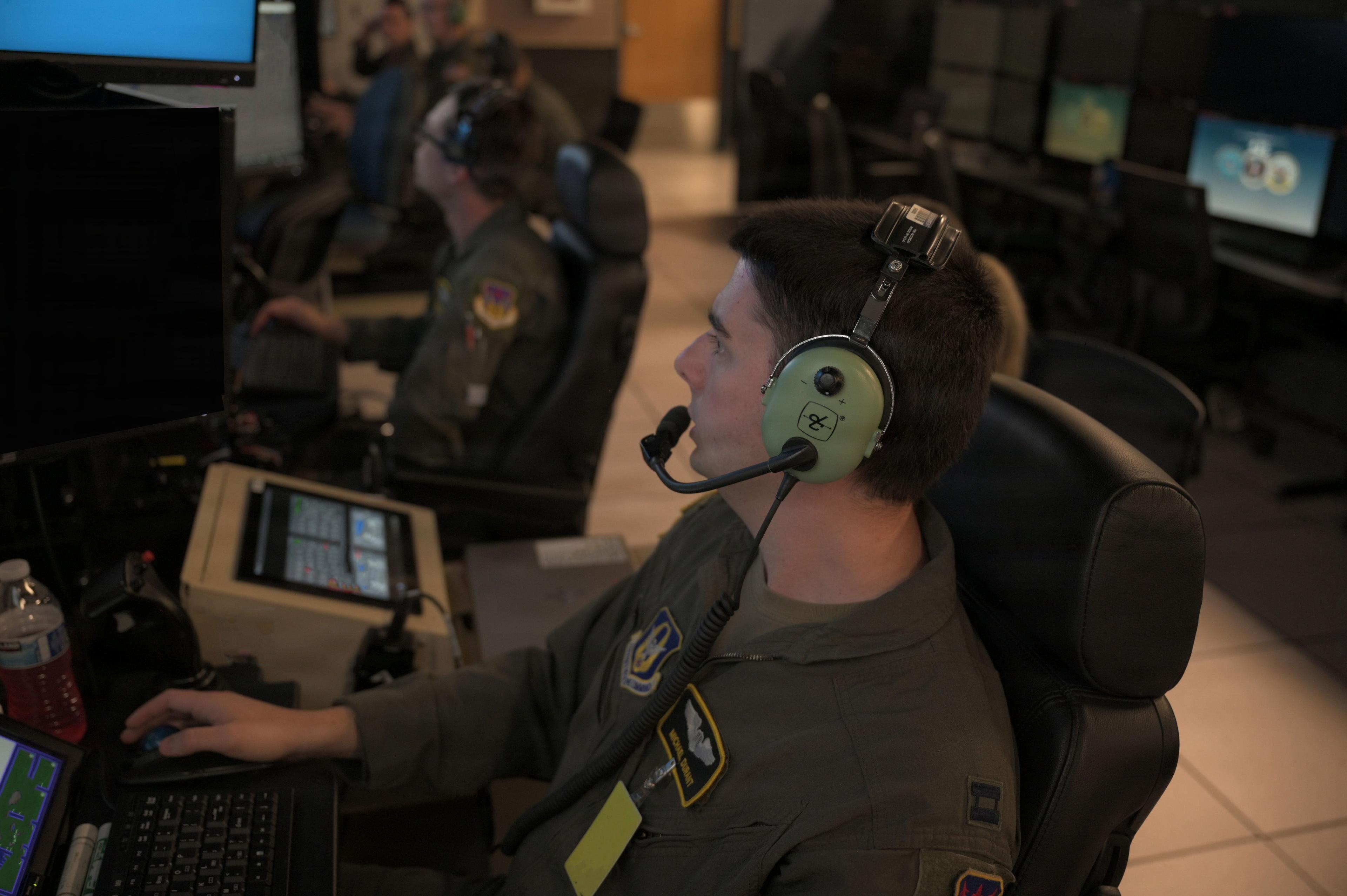
  • Mobility Air Force Distributed Mission Operations (MAF DMO). HII connects aircrews across commands and platforms to train together in secure, interoperable LVC environments, delivering high-fidelity training for complex missions.
  • Live Mission Operations Network (LMON). HII unifies Air Force LVC training networks via a single LVC environment connecting dissimilar systems and mission forces across eight global regions. 

Joint and Allied

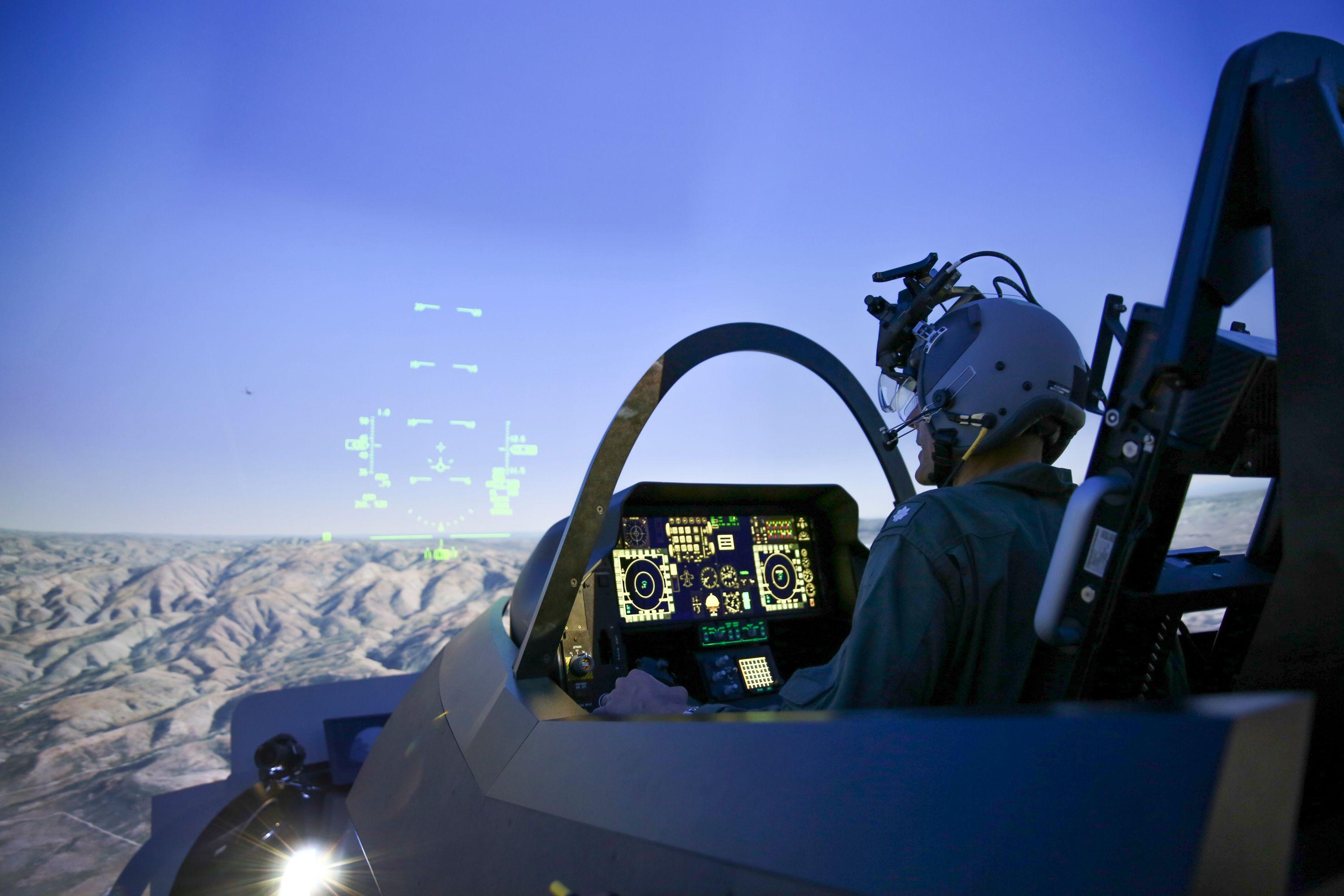
  • Joint Simulation Environment (JSE). HII develops and operates this high-fidelity synthetic battlespace, where U.S. and Australian F-35 crews rehearse complex missions and refine tactics.
  • Joint Training Synthetic Environment (JTSE). For Joint Staff J7, HII operates an enterprise synthetic battlespace that enables LVC integration for combatant commands, agencies, academia, and global partners.
  • Joint Staff J7/J4 Futures and Wargaming. HII’s analysis, experimentation, and wargaming support help the joint force assess future operating environments and rehearse emerging concepts.
  • Distributed Training Operations Center (DTOC). Connecting more than 90 sites nationwide, HII helps deliver realistic multi-domain LVC training, with subject-matter-expert support, across the Air National Guard, Air Force, Marine Corps, Army, and Navy.
Secure. Adaptable. AI-Driven.

Secure. Adaptable. AI-Driven.

HII delivers secure, open-architecture software combined with vendor-agnostic design for interoperability, rapid integration, and long-term sustainment. Leveraging agile, DevSecOps, and CMMI Level 5 processes, our portfolio spans wargaming and simulation engines, visualization and terrain-generation tools, platform integration gateways, and full lifecycle support, enabling faster capability delivery, lower lifecycle costs, and mission-ready resilience.

Artificial intelligence is changing how warfighters learn, rehearse, and adapt. HII applies machine learning and deep learning to generate content automatically, build intelligent adversaries, personalize training, and develop realistic scenarios quickly, so organizations train more efficiently and build skills faster at scale. As requirements evolve, training evolves with them.

The Right Tools to Power the Fight

Built to work as one, these capabilities form the foundation of HII's LVC ecosystem.

Game-Based Training

Game-Based Training

Commercial game engines and physics-based modeling replicate operational systems and mission environments with realistic behavior, including cascading faults. Warfighters move from “watching to doing” in instructor-led, evaluated, or self-paced modes, and practice as often as needed without risk to personnel or equipment. Watchstander and team coordination training scales with demand.
Virtual, Augmented, and Mixed Reality

Virtual, Augmented, and Mixed Reality

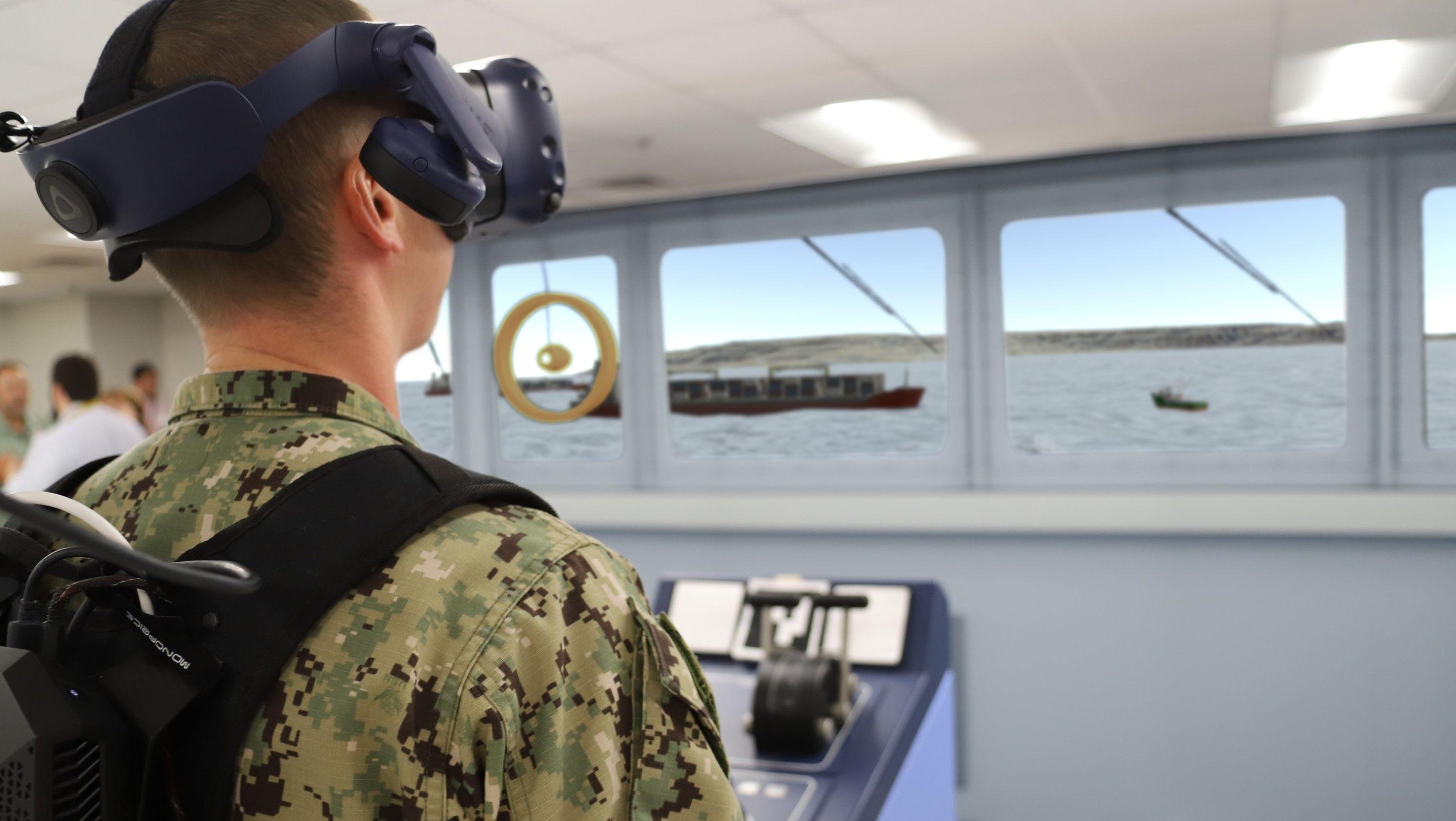
Blended VR, AR, and MR put warfighters in environments where the physical and digital worlds converge. Maintenance training, aircrew preparation, and mission rehearsal gain real-time AR information overlays and high-fidelity digital twins built from precision 3D scanning, with complex, high-risk tasks rehearsed safely and without the cost, risk, or availability limits of live assets.

Video: Virtual, Augmented, and Mixed Reality
Authoritative Modeling and Simulation

Authoritative Modeling and Simulation

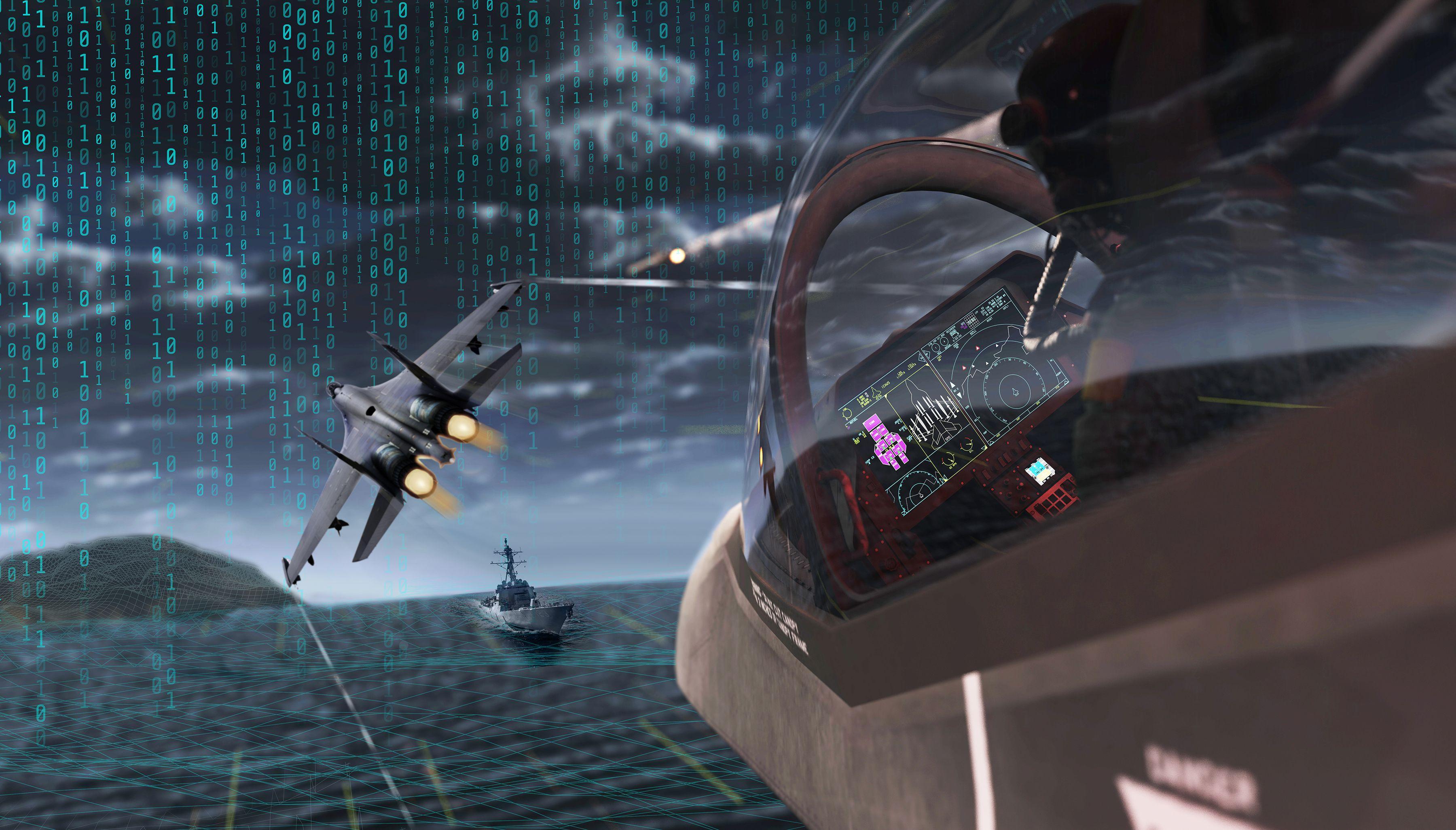
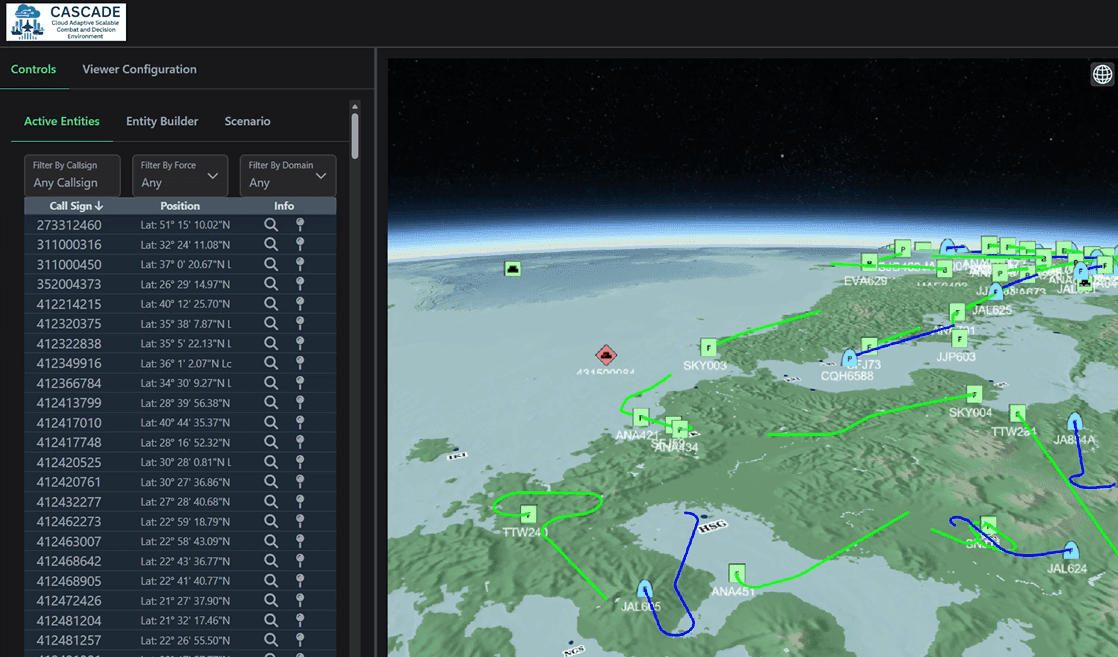
Physics-based simulations, synthetic threat environments, and globally accurate whole-earth terrain databases enable recreating operational scenarios at scale. Warfighters train against challenges they are most likely to face, including those too costly, dangerous, or impractical to stage live. AI-enabled scenario generation and authoritative performance analytics close the loop with feedback.

Integrated Training Networks

Integrated Training Networks

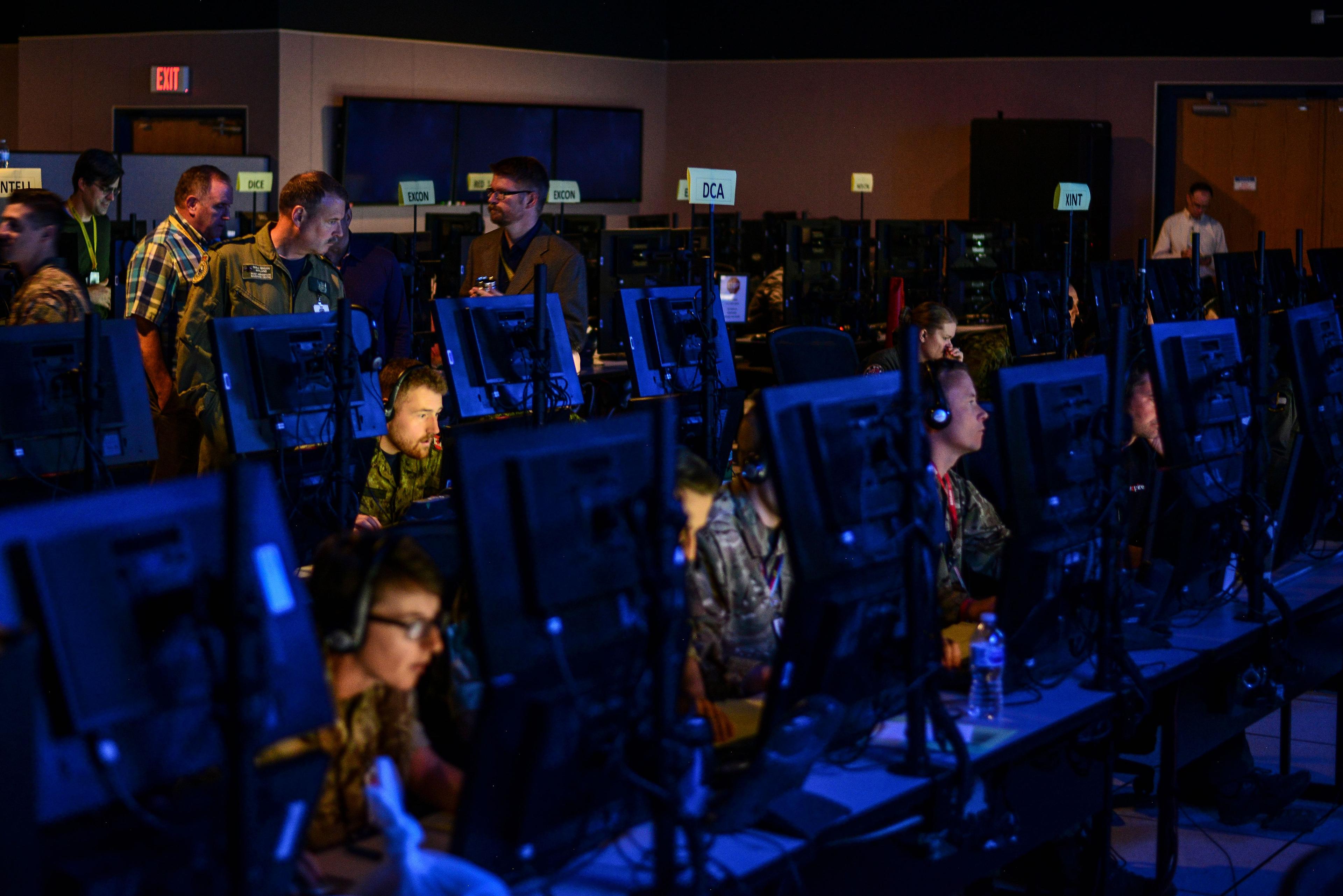
Command-and-control systems, virtual trainers, constructive simulations, live platforms, communications, and weather feeds join in a single training environment built on cyber-secure, multi-enclave architectures with real-time network monitoring and management. The result: multinational exercises across geographically separated locations.

Video: Integrated Training Networks
Live Range Modernization

Live Range Modernization

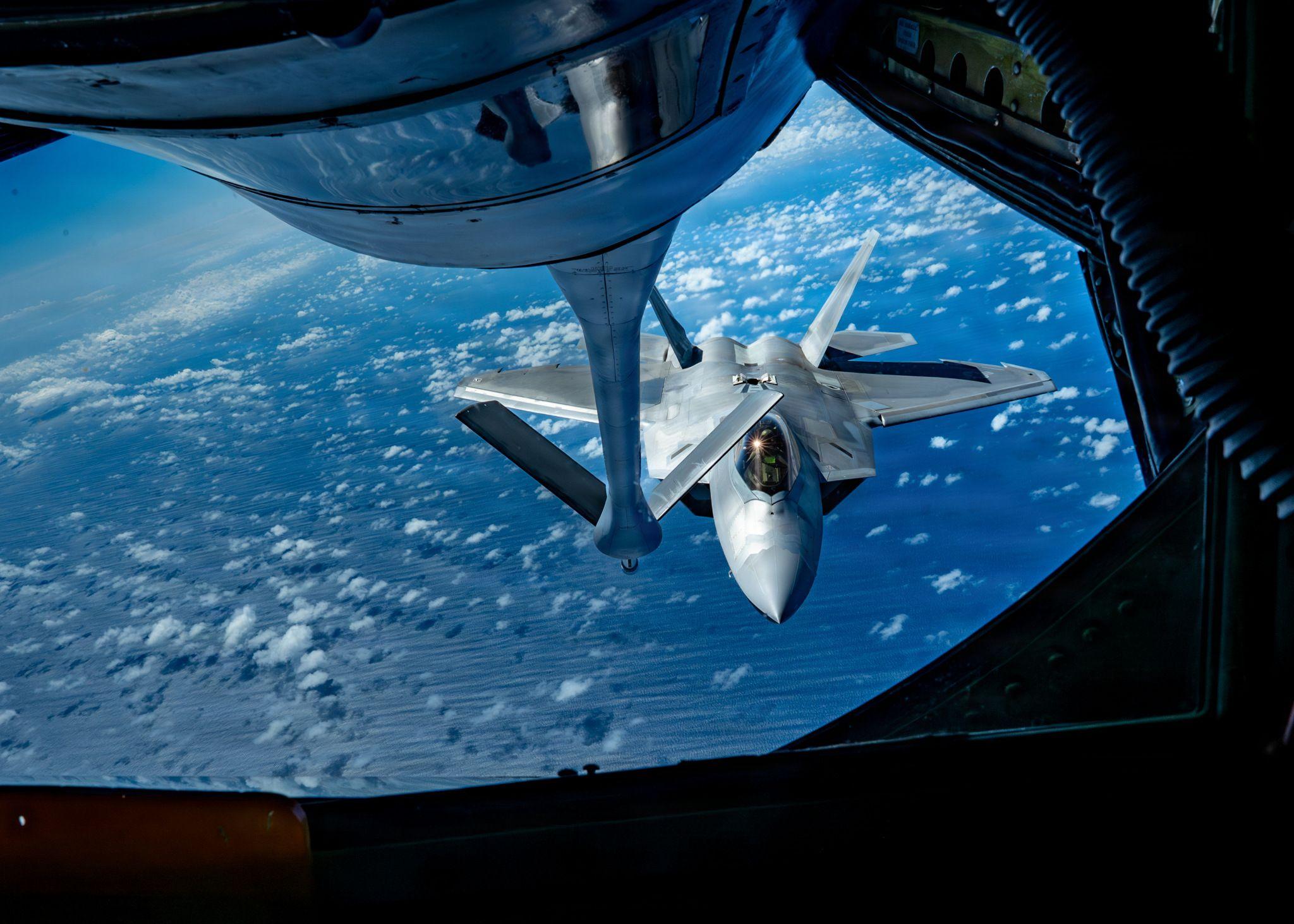
Integrated LVC technologies extend synthetic capabilities onto live ranges, so warfighters can rehearse more complex missions and train against advanced threats safely and cost-effectively. Backed by proven operations, maintenance, logistics, and technology support, HII’s modernization scales across U.S. and allied training ranges.

Video: LVC Range
Full-Scale Task Trainers

Full-Scale Task Trainers

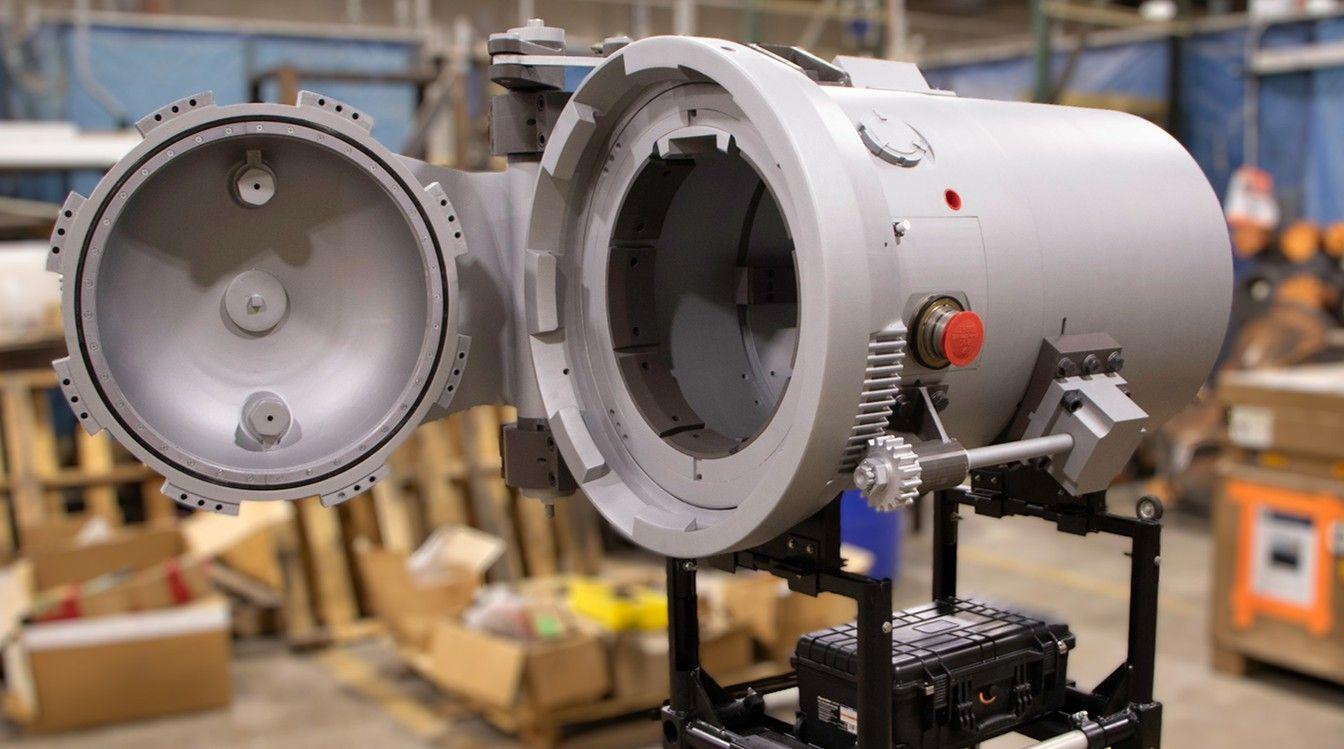
Full-scale, functional replicas of operational equipment, including 3D-printed and custom-built part-task trainers, deliver hands-on training when live systems are unavailable, limited, or needed for operations. Interactive modules and end-to-end instructional systems design keep training repeatable, measurable, and aligned to mission objectives, at a lower cost than training on operational equipment.

Video: Mixed Reality Training Solutions